01
Explore
What does Indigenous identity mean? What can we learn from the diversity of Indigenous Peoples and communities?
Start here →Indigenous Peoples are diverse communities with their own histories, cultures, languages, knowledge systems, identities and relationships with land and place.
Explore what it means to understand Indigenous health respectfully—recognizing diversity, strengths, rights, self-determination and the conditions that influence health and wellbeing.
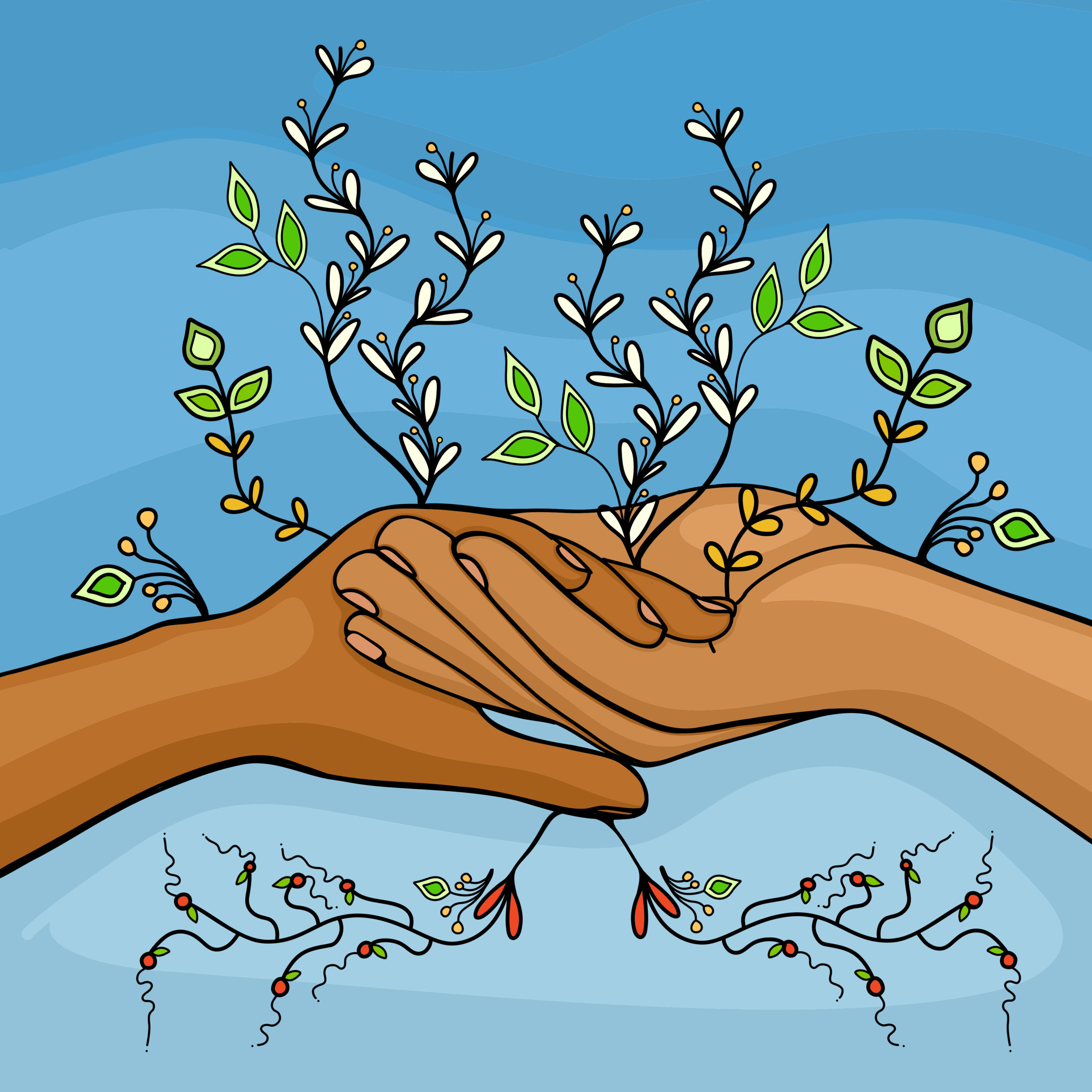
You cannot understand Indigenous health without understanding Indigenous Peoples.
Indigenous Peoples are not one population with one culture, one history or one experience. Across the world, Indigenous Peoples include many distinct Nations, communities and Peoples with their own languages, traditions, knowledge, governance systems and relationships with land.
Health is therefore understood in different ways and is connected to individual, family, community, cultural, environmental and spiritual dimensions of life.
Learning about Indigenous health begins with a simple principle: learn about Peoples and communities as sources of knowledge, strength and leadership—not only through statistics about health inequities.
Avoid treating Indigenous Peoples as a single group. Ask whose experience you are learning about, where that community is located, what history has shaped its present circumstances and whose knowledge and voice should be heard.
Move from understanding who Indigenous Peoples are to thinking about health, rights, relationships, equity and respectful action.
What does Indigenous identity mean? What can we learn from the diversity of Indigenous Peoples and communities?
Start here →Discover Indigenous concepts of health, wellbeing, community, culture, land and relationships.
Learn more →Examine how history, colonialism, power, rights and systems can influence health and health equity.
Think deeper →Connect your own experience with family, community, country and the wider world.
Make connections →Consider how your understanding of Indigenous Peoples, health and equity has changed.
Reflect →Turn learning into respectful action that supports inclusion, equity, rights and Indigenous leadership.
Take action →Indigenous Peoples are diverse Peoples and communities with distinct identities, histories, cultures, languages, knowledge systems and relationships with place.
There is no single Indigenous identity or universal Indigenous experience. Indigenous Peoples live in many regions of the world and may use different names for themselves and their communities.
In Canada, for example, the Constitution recognizes three distinct groups of Indigenous Peoples: First Nations, Inuit and Métis. Each includes many distinct communities, Nations, languages, traditions and histories.
Around the world, communities may use terms such as Indigenous Peoples, First Peoples, Aboriginal Peoples, Tribal Peoples or names specific to their own Nation or community. The most respectful approach is to learn how people identify themselves.
Many Indigenous approaches to health understand wellbeing through relationships among people, community, culture, land and the wider world.
Indigenous knowledge systems are diverse, and there is no single Indigenous model of health. In many communities, however, health is understood through relationships and balance rather than as something limited to the physical body or the absence of disease.
Family, community, culture, language, land, identity, ceremony, knowledge and connection can all have meaning for wellbeing. These relationships may also change across generations and between communities.
Physical, emotional, mental and spiritual dimensions of wellbeing can be interconnected.
Relationships, belonging, reciprocity and collective wellbeing can support health.
Language, knowledge, traditions and cultural continuity can strengthen identity and wellbeing.
Relationships with land, water and place can be central to identity, knowledge and health.
Understanding health inequities requires us to look at the systems and historical conditions surrounding people and communities.
Indigenous health differences cannot be understood simply by comparing individuals or communities. Historical and continuing processes—including colonization, dispossession, discrimination, disruption of culture and unequal access to services and resources—can influence opportunities for health.
At the same time, focusing only on disadvantage can create a deficit-based picture of Indigenous Peoples. Indigenous communities are also sources of knowledge, resilience, leadership, cultural strength and innovation.
A health inequity is not a characteristic of a people. It can be a signal that opportunities, resources, rights or conditions are distributed unfairly.
Asking why a difference exists—and whose voices should guide the response—is an important part of health equity.
Indigenous health can be understood across interconnected levels—from individual experience and relationships to communities, countries and global systems.
Identity, knowledge, experiences, choices and personal wellbeing.
Relationships, belonging, support, learning and shared experiences.
Culture, language, services, leadership, governance and collective wellbeing.
Policies, rights, systems, history, resources and opportunities for equity.
Indigenous Peoples globally, shared learning, international rights and global responsibility.
Health equity is not only about access to services. It is also about voice, participation, rights and the ability of people and communities to influence decisions affecting their lives.
Self-determination recognizes the importance of Indigenous Peoples having meaningful authority and participation in decisions concerning their communities, cultures, lands, services and futures.
Health equity, education, reduced inequalities, strong communities, environmental sustainability and inclusive institutions are interconnected.
Health systems should support equitable opportunities for health and wellbeing.
Education can support cultural knowledge, understanding, participation and opportunity.
Equity requires attention to structural barriers and unequal opportunities.
Inclusive institutions and meaningful participation matter for rights and equity.
Good global health leadership begins with evidence, humility and respect for the knowledge of people and communities most affected by decisions.
Evidence includes research, lived experience, community knowledge and many other ways of knowing.
People affected by health policies and programs should have meaningful opportunities to shape them.
Leadership should strengthen participation, accountability and self-determination.
Effective approaches respect context rather than assuming that one solution fits every community.
Take a moment to reflect on how you understand Indigenous Peoples, health, diversity, equity and leadership.
What assumptions might people make when they hear the words “Indigenous health”?
Why is it important to recognize diversity between Indigenous Peoples and communities?
How might self-determination influence health and wellbeing?
Learn from Indigenous voices. Avoid stereotypes and deficit-based thinking. Respect different ways of knowing. Ask whose voice is missing and support meaningful participation and leadership by Indigenous Peoples.
Continue the Journey